
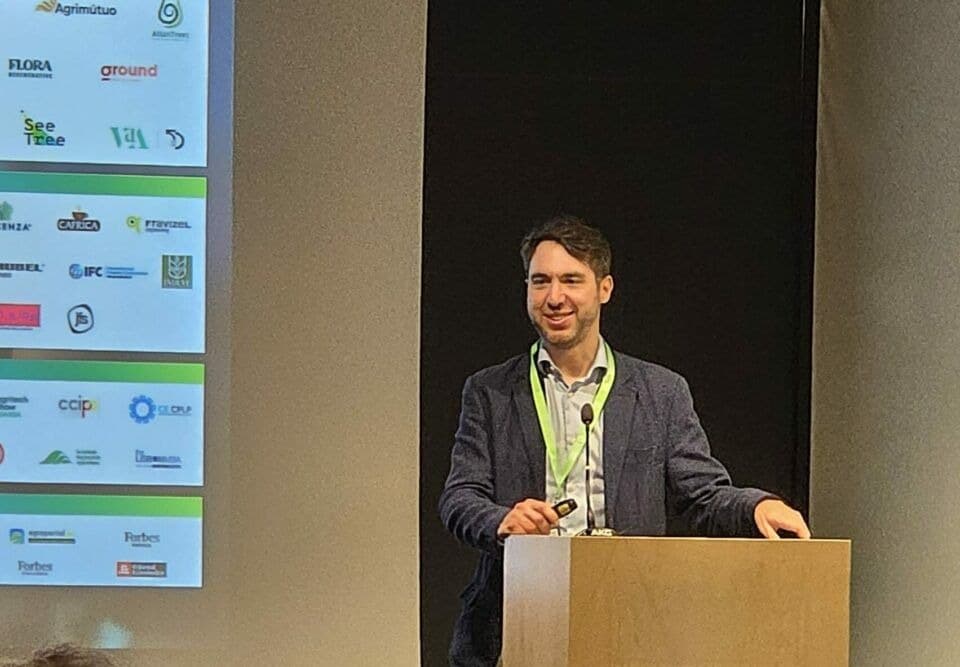
Investors and agribusiness executives gathered at the Global Agri Forum in Lisbon are pitching Angola and Mozambique as the next Brazil, a country that built itself into a $164.4 billion agricultural exporter over five decades, according to a report by Forbes Africa. Both African countries currently spend more than $3 billion combined on food imports each year, with Angola alone accounting for roughly $2.3 billion of that, even though only about a tenth of their farmland is currently under cultivation.
Luxor Group CEO Antonio Azevedo compared the two countries today to Brazil in 1975, arguing the opportunity is real rather than aspirational. AAPA President Vanderlei Ribeiro said he has largely stopped using the word potential when describing the sector, pointing to farmland in the region costing around $15 a hectare, against $15,000 to $20,000 in Brazil's already-developed Cerrado farming belt. Angola's oil still makes up 95 percent of its exports, but agriculture has climbed to roughly a quarter of GDP, double its share a decade ago, even though about 90 percent of that output still comes from family farms rather than large commercial operations.
Phoenix Eagle Group President Michael Nisser is overseeing new processing capacity, including a soybean plant slated to open between March and April 2027, while JFS Group CEO Francisco Ferreira dos Santos argued food security should be treated as a matter of national sovereignty, pointing to an outgrower model supporting roughly 30,000 farming families. Angola is also planning a urea plant with capacity for about 1.3 million metric tons within five years, a step toward fertilizer self-sufficiency that backers say is essential if the region is going to industrialize its farm sector rather than simply expand it.