
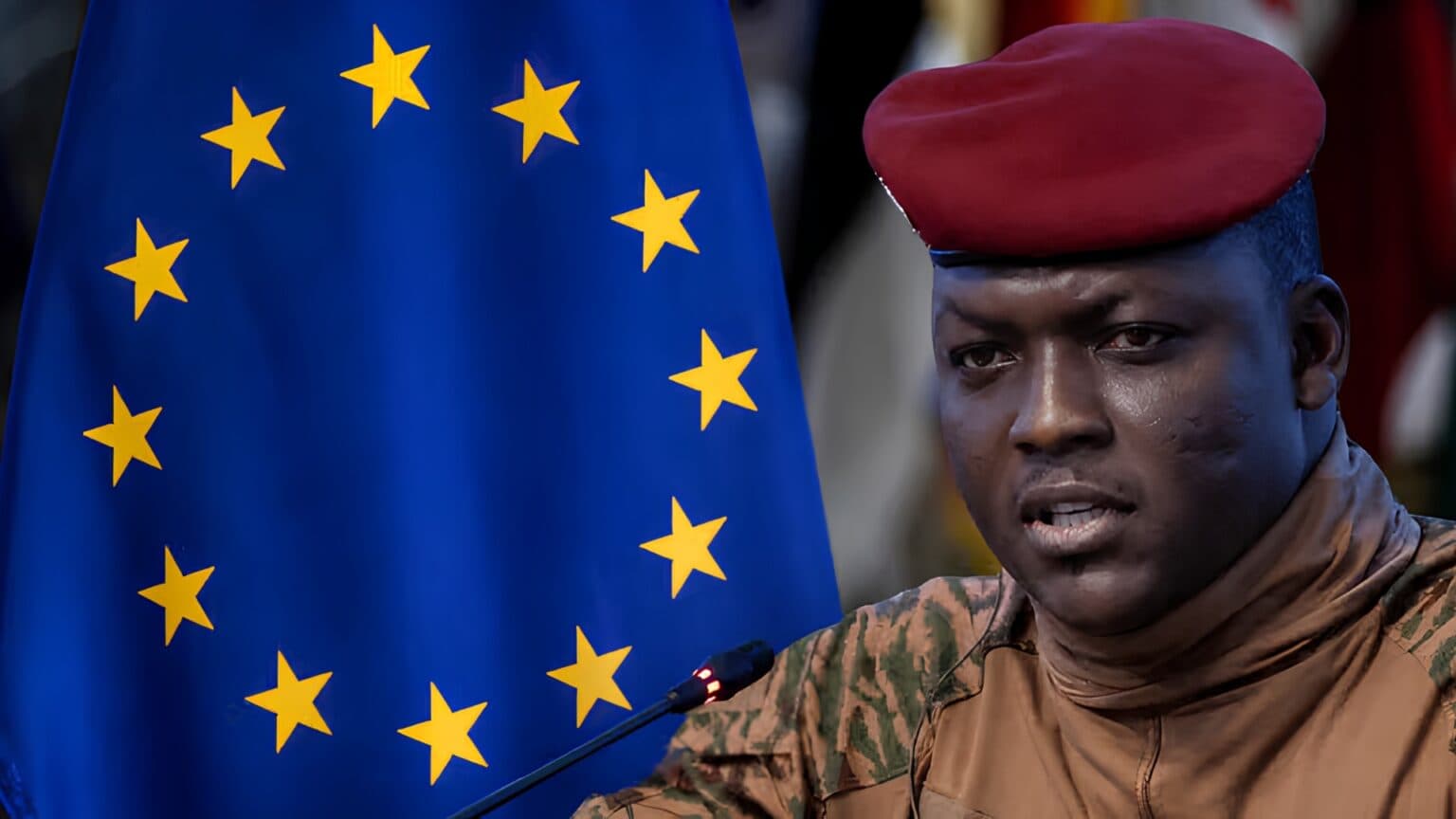
Burkina Faso's government has begun overhauling how history, geography and civic education are taught in its schools, aiming to strip colonial-era framing out of the curriculum for the new academic year, according to a report by Guardian Nigeria. Higher Education Minister Moumouni Zoungrana said officials reviewed existing lesson plans specifically to remove language the ministry considers demeaning and to add material reflecting the country's own values and history.
Among the changes, textbooks and lesson plans will stop referring to European figures in African history as "explorers," replacing the term with "invaders," while African resistance leaders previously cast as tyrants or barbarians in older material are being recast as resistance fighters. The reform adds 54 new lessons spanning primary through secondary school that shift away from European benchmarks toward indigenous political structures, local resistance movements and African scientific contributions.
The curriculum changes also include a stronger emphasis on civic and moral education, the progressive introduction of English starting in the second grade, expanded instruction in national languages, and more bilingual and cultural programming in schools. The ministry has not yet revised the physical textbooks themselves, but has distributed a guidance booklet telling teachers which expressions to avoid and which chapters to drop or add in the meantime. The reform comes under the military government that has run Burkina Faso since a 2022 coup, which has made reducing foreign, and particularly former colonial, influence a consistent theme of its policy agenda.