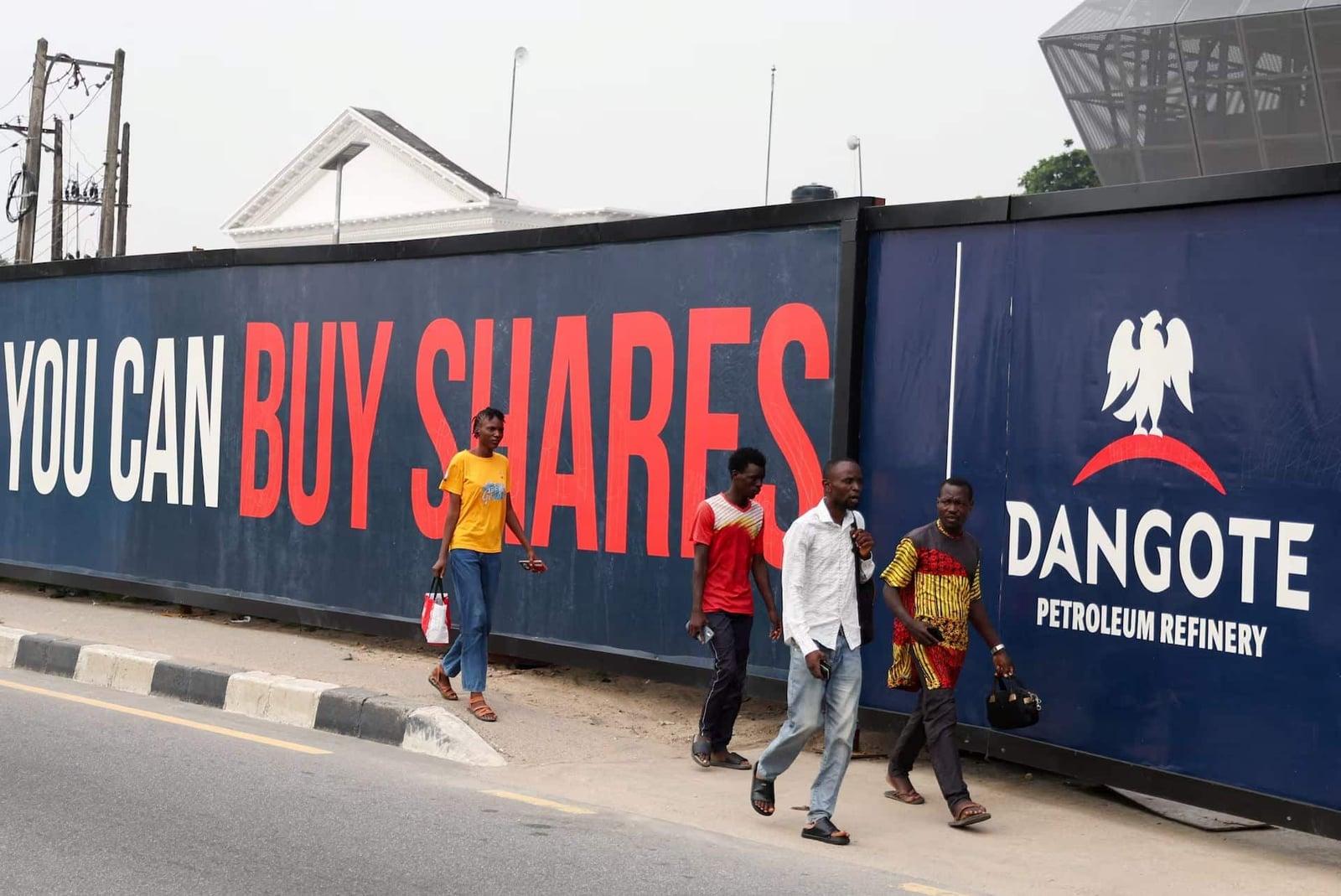
Nigeria's Dangote Petroleum Refinery is set to increase the size of its initial public offering by as much as 30%, bringing the total deal to about $2.1 billion, according to people involved in the transaction and a senior company executive. The move follows an unexpectedly strong response from investors, with orders reaching nearly 6 trillion naira, equivalent to roughly $4.5 billion, or about three times the shares initially put up for sale.
The enlarged listing would place the refinery among the largest stock market debuts in African history and mark a landmark moment for Nigerian capital markets. It would also give retail and institutional investors a direct stake in one of the continent's most ambitious industrial projects.
How the offer is changing
The refinery, built by Africa's richest person Aliko Dangote, originally planned to sell 4.1 billion shares. Under the revised plan, it is expected to allot up to 5.33 billion shares, including an overallotment option, one of the lead advisers said. The additional shares will be issued at the permitted level once approval is granted by Nigeria's Securities and Exchange Commission.
A senior Dangote executive confirmed the company intends to expand the offer but was not authorised to speak publicly about the details. The refinery is expected to list on the Nigerian Exchange later this month, though the exact date will depend on regulatory sign-off.
Who gets what
The heavy demand means not every investor will receive the full amount they requested. According to two people close to the deal, retail investors will get all the shares they applied for, and local pension funds are expected to receive allocations close to their requests. Overseas investors, however, will bear most of the scaling back.
"The guys that won't get all their allotment are the offshore guys," the adviser said. A stockbroker involved in the transaction added that additional shares would be allocated on a pro-rata basis to investors who subscribed for more than 100 million shares.
Regional and international demand
While Nigerian institutions and individuals provided much of the demand, interest from elsewhere in Africa was also significant. Investors from South Africa, Botswana, and Kenya led the foreign African demand, the adviser said. South Africa's Public Investment Corporation, one of the continent's largest asset managers, was among the subscribers.