
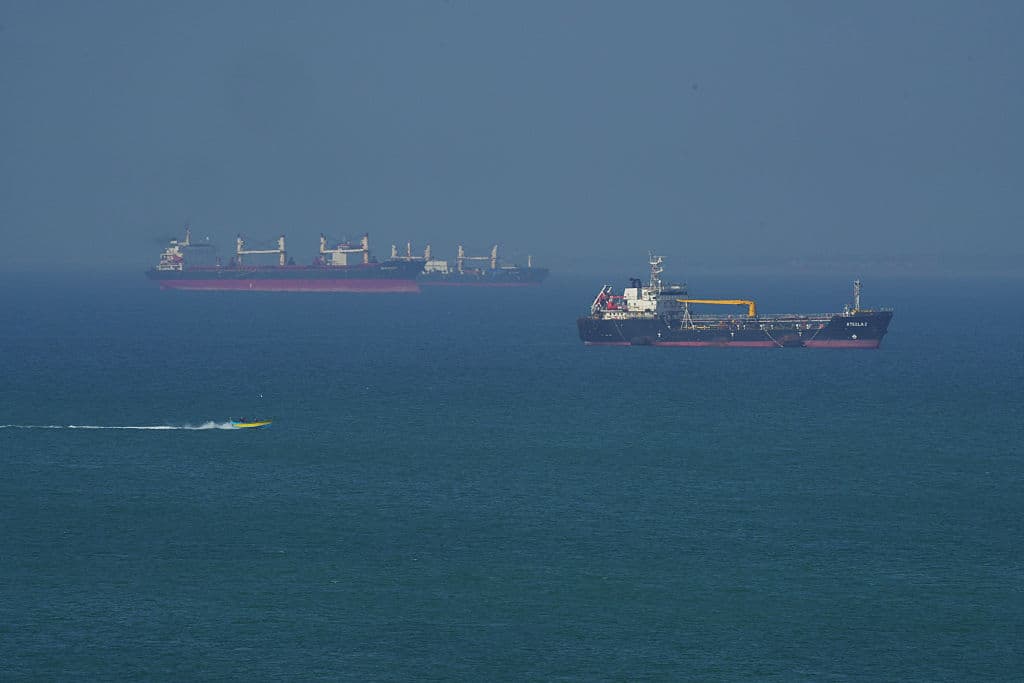
Renewed tension around shipping through the Strait of Hormuz is threatening to push fuel costs and inflation higher across African economies that depend heavily on imported energy, according to a report by Forbes Africa. The strait carried roughly 20 million barrels of oil a day in 2024, about a fifth of global petroleum consumption, according to the U.S. Energy Information Administration, making any disruption there a direct hit to global benchmark prices. Brent crude futures rose 0.34 percent to $106.08 a barrel and West Texas Intermediate climbed 3.11 percent to $98.05 in the wake of the latest tensions.
Kenya has already felt the effects directly, with petrol prices up roughly 6 percent and diesel up about 4.5 percent; the government responded by extending a reduced 8 percent VAT rate on fuel through mid-January to cushion the impact on consumers. Analysts quoted in the report say the risk extends well beyond the price of crude itself. Olusegun Adebayo described the dynamic as "a liquidity transmission issue, not just an oil-price shock," while Tope Adedara noted that shipping and insurance costs tied to the route "can rise almost immediately" once tensions flare, squeezing importers before oil prices even move.
Kenya and Ghana were flagged as particularly exposed given their reliance on imported refined fuel, while Nigeria's position is more complicated, caught between its own production constraints and its continued dependence on imported refined products despite being a major crude producer. The report frames the episode as a reminder that African economies with heavy import exposure remain vulnerable to shocks originating thousands of miles from the continent, with little direct control over the chokepoints that set their fuel costs.