
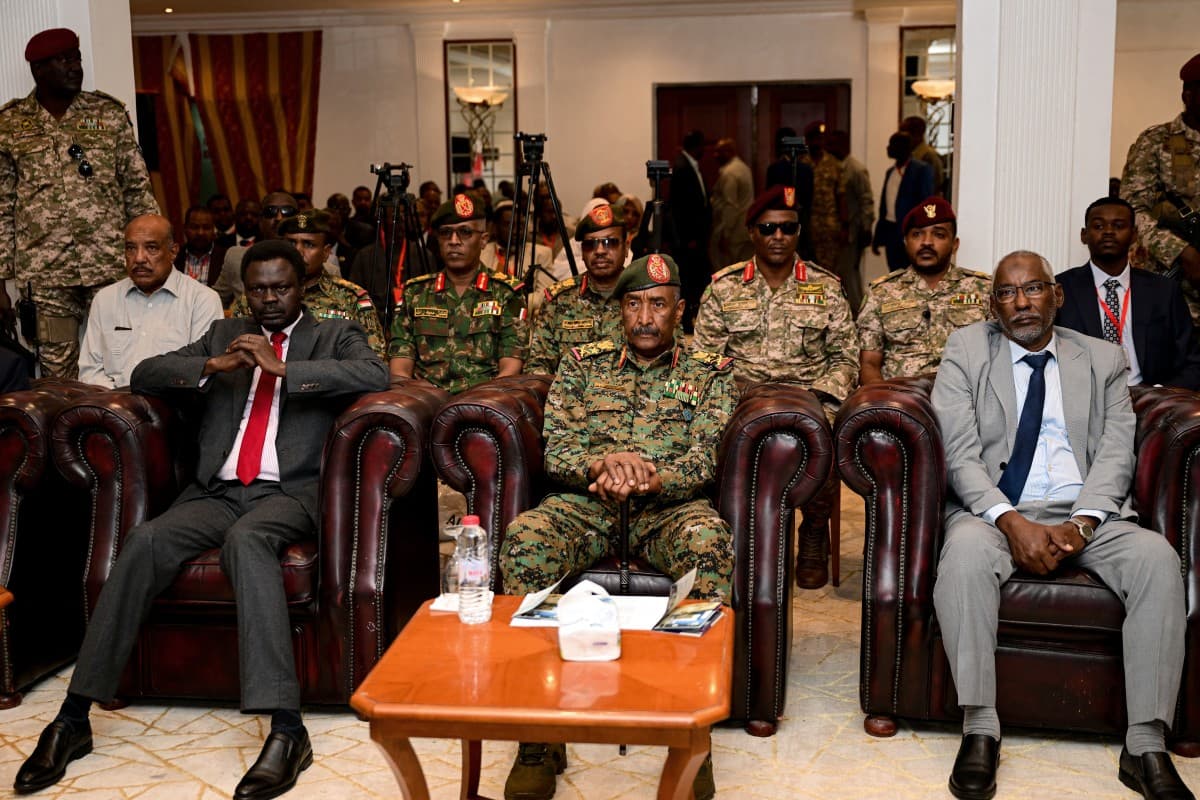
A push to finally settle the long-disputed maritime boundary between Sudan and Saudi Arabia in the Red Sea is drawing objections over who actually has the authority to sign off on it, according to a report by Guardian Nigeria. The dispute dates back to the 1960s, when mineral deposits were discovered on the seabed between the two countries' coastlines; a 1974 agreement managed joint economic exploitation of the area without settling a final border, and the two governments announced plans to revive full delimitation talks in 2019.
Critics argue that with Sudan still divided by conflict and without a sitting constitutional government, a binding treaty with implications for future generations and the country's sovereign territory is being pursued without any input from an elected Sudanese parliament. Sudanese political analyst Ammar Siddiq has said that without functioning legislative institutions, Sudan's de facto military leadership under General Abdel Fattah al-Burhan has no constitutional basis to finalize an agreement of this scale unilaterally.
A joint technical committee met in September 2025 to work through amendments to a draft agreement, but al-Burhan postponed a final signing the following month, saying Sudan first needed to settle its own maritime and land border questions with Egypt. The renewed momentum behind the talks comes against a backdrop of intensifying regional competition over Red Sea security, energy corridors and port access near the Bab al-Mandab Strait.