
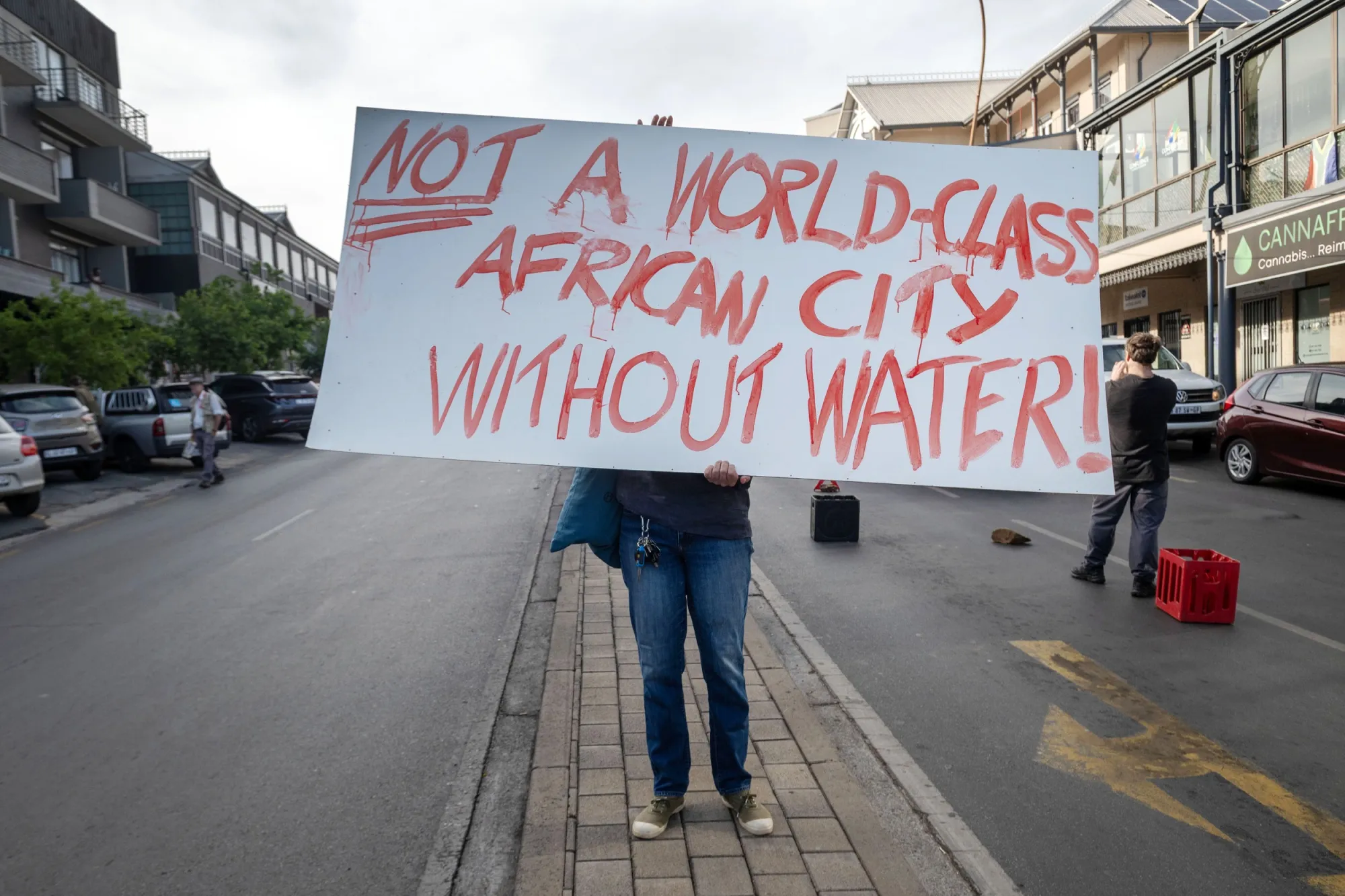
South Africans went to the polls on November 4 in local elections expected to leave many municipal councils without an outright winner, setting up a fresh round of coalition bargaining across the country, according to a report by Bloomberg. The results carry weight beyond city halls: shifts in support for the major parties are being watched as a signal for the future of the national coalition that has been steering South Africa's fiscal and economic reform agenda, and as an early read on the mood heading into the next general election in 2029.
Coalitions are expected to dominate across the country's 257 municipal councils, including most of its eight metros, yet South Africa still has no statutory framework governing how such coalitions are formed or run, leaving parties just 14 days to strike deals once the results are in. A bill from the Department of Cooperative Governance and Traditional Affairs that would set out formal coalition rules has been proposed but is unlikely to pass before the vote, meaning the latest round of post-election negotiations will unfold under the same improvised rules that have produced unstable local governments in the past.