
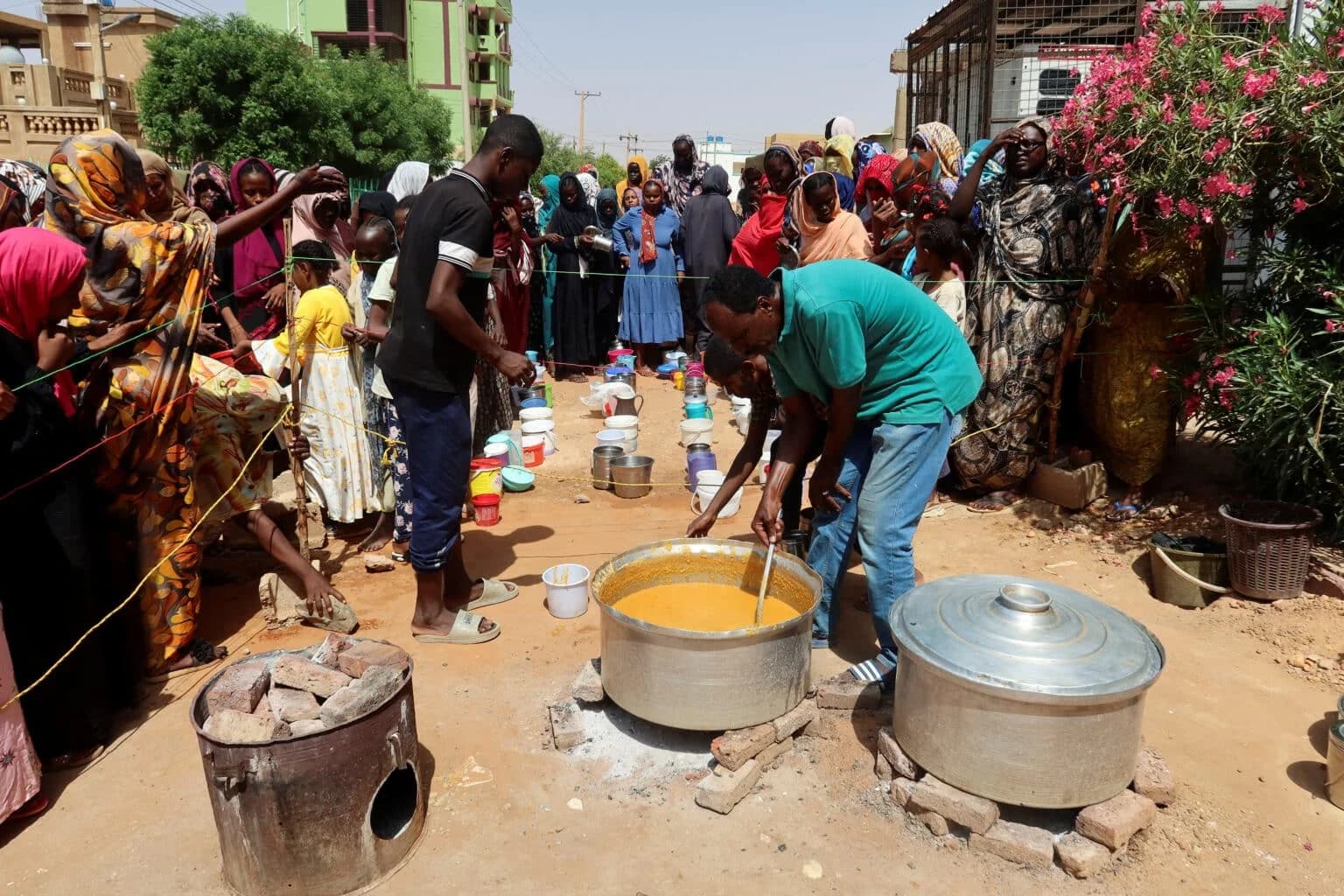
Sudan's civil war, now in its third year, has already battered the country's farms, and new data shows the weather is now adding to the damage, according to a report by CNBC Africa. Rainfall during the July-to-September wet season, when Sudan gets most of its annual rain, was the lowest in more than three decades nationwide, and in North Darfur state it was the driest since 1984, the same year a famine killed hundreds of thousands of people across Sudan and Ethiopia. The UN-backed Integrated Food Security Phase Classification initiative warned in an October 12 alert that the risk of famine is rising across conflict-affected parts of the country as the El Nino-driven drought piles onto an already dire food situation.
The numbers underline how fast the crisis is moving: the IPC had already counted 5.1 million people facing severe hunger as of June, and the UN World Food Programme now projects 350,000 more will join them by the end of 2026. Much of Sudan's food comes from rain-fed farming in the south, and parched conditions there are hitting both crops and livestock, pointing toward a harvest season expected to be among the poorest on record. With food stocks shrinking and prices climbing in markets already strained by the conflict, aid groups warn the drought could turn a war-driven hunger crisis into the kind of full-blown famine Sudan has not seen in decades.