
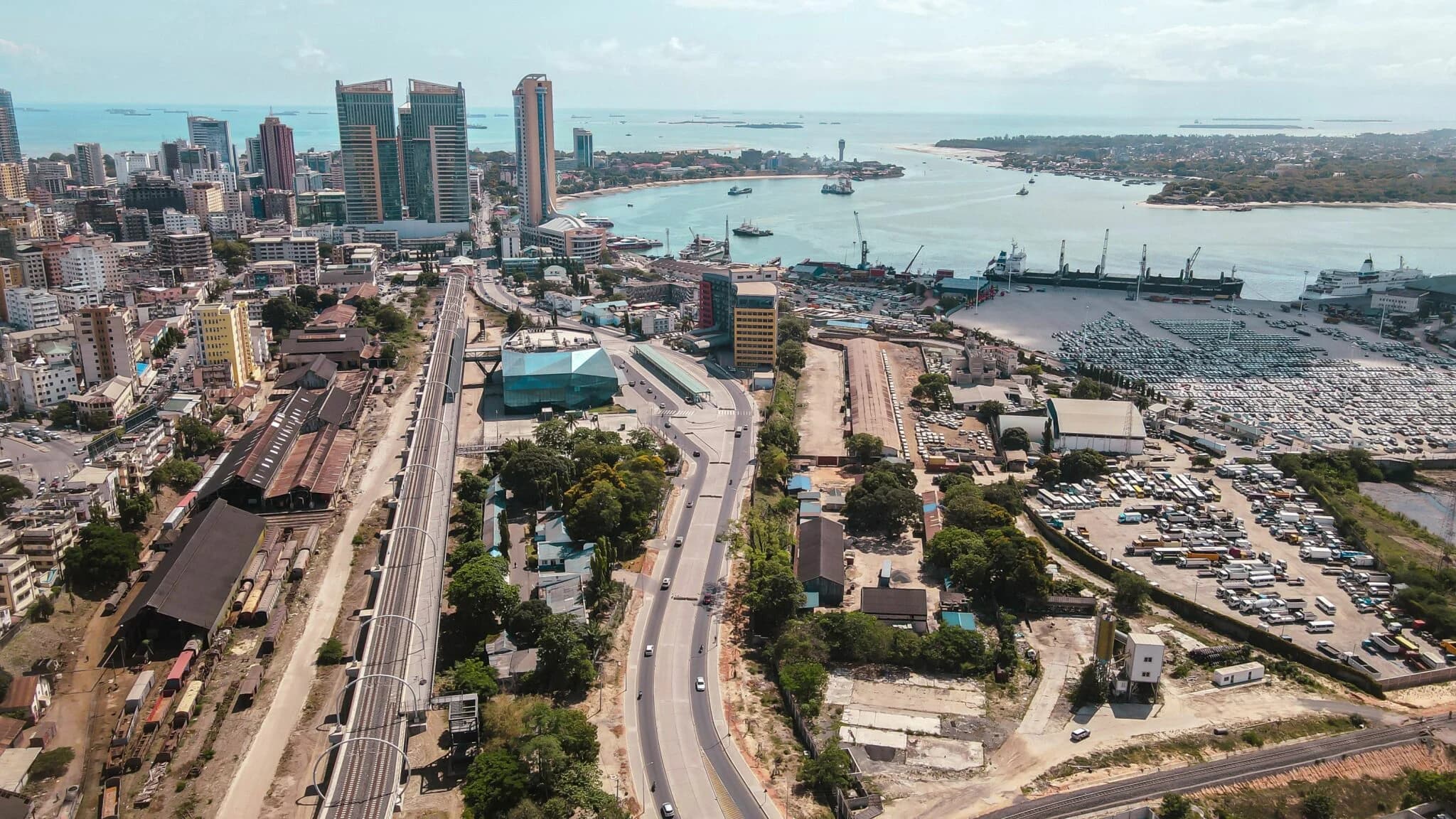
Tanzania holds more than 57.5 trillion cubic feet of untapped hydrocarbon reserves, with roughly 47.13 trillion cubic feet of that sitting offshore, yet the country has still not landed a single commercial crude oil discovery, according to a report by Forbes Africa. Officials argue the gap owes less to geology than to visibility: Fabian Mwose, a senior petroleum engineer at Tanzania's Petroleum Upstream Regulatory Authority, said the country has "a lot of potential, but not all of the investors know it." On the gas side, Tanzania already produces around 230 million standard cubic feet a day, a volume too small for export but enough to supply more than 50 local industries and let manufacturers that once imported plastics and related materials make them domestically.
Two fronts are shaping where fresh discoveries could emerge. Regulators are preparing blocks in Lake Tanganyika, on the border with the Democratic Republic of Congo, for a fifth licensing round, while officials point to the onshore Eyasi-Wembere Basin as a prospect whose geology resembles the proven fields of Uganda's Albertine Graben and Kenya's Turkana Basin. Tanzania is also positioning itself inside a regional oil corridor regardless of its own exploration results, with the 1,447-kilometer East African Crude Oil Pipeline set to carry Ugandan crude across Tanzanian territory to a planned refinery at the port city of Tanga, one that could eventually process Tanzanian oil too if a commercial find comes through.