
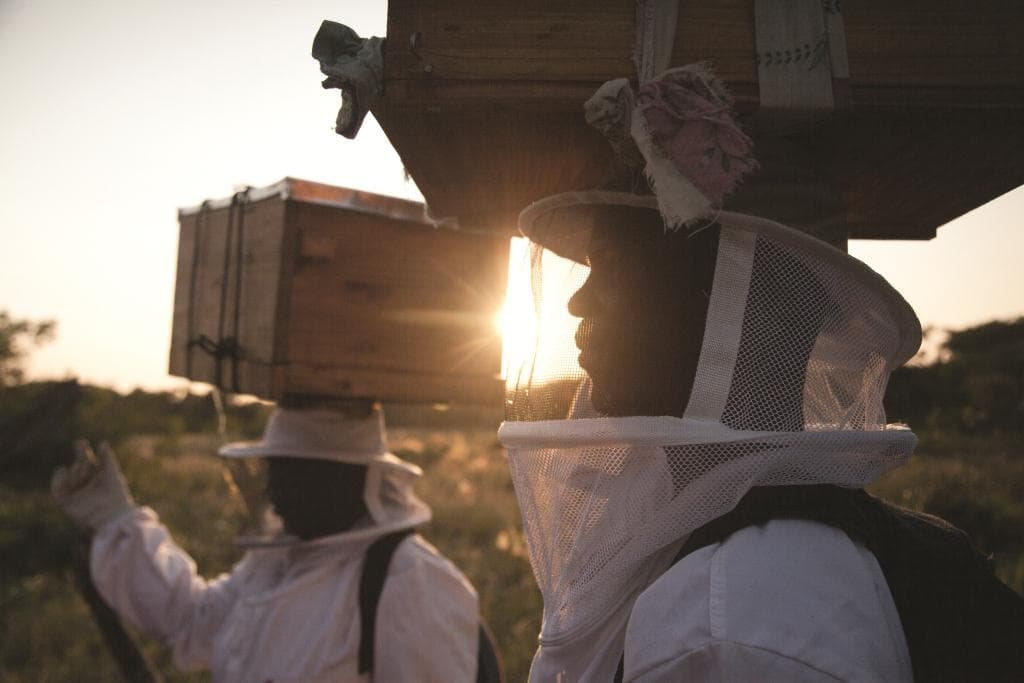
Uganda's beekeeping industry contributed an estimated $61 million to the economy in 2025 and supports more than a million livelihoods, yet industry figures say the sector remains deeply underdeveloped relative to its potential, according to a report by Forbes Africa. Honey production reached 15,609 tons in 2025, up nearly 1,000 tons from the year before, but that is a small fraction of the roughly 500,000 metric tons researchers estimate Uganda could theoretically produce, a level that could generate close to $1.95 billion in revenue at current productivity.
Birungi Phionah, program manager at the Uganda National Apiculture Development Organization, said beekeeping was historically dismissed as work for the poorest, but has increasingly become a viable income source as demand grows. The bottleneck, she said, is scale: most beekeepers manage only around five colonies each, leaving them producing small quantities that struggle to reach real markets on their own. Professor Robert Kajobe, the organization's chairperson, pointed out that bees do more than produce honey, serving as essential pollinators that sustain the broader agricultural systems Uganda's rural economy depends on.
To address the fragmentation, the apiculture organization has set up Rural Transformation Centers that aggregate small-scale harvests from individual beekeepers for processing and distribution, effectively giving micro-producers access to markets they could never reach alone. Backers argue that with low input costs and generally favorable conditions for beekeeping across much of the country, closing that scale gap, rather than discovering new potential, is what stands between Uganda's honey sector and a much larger export business.