
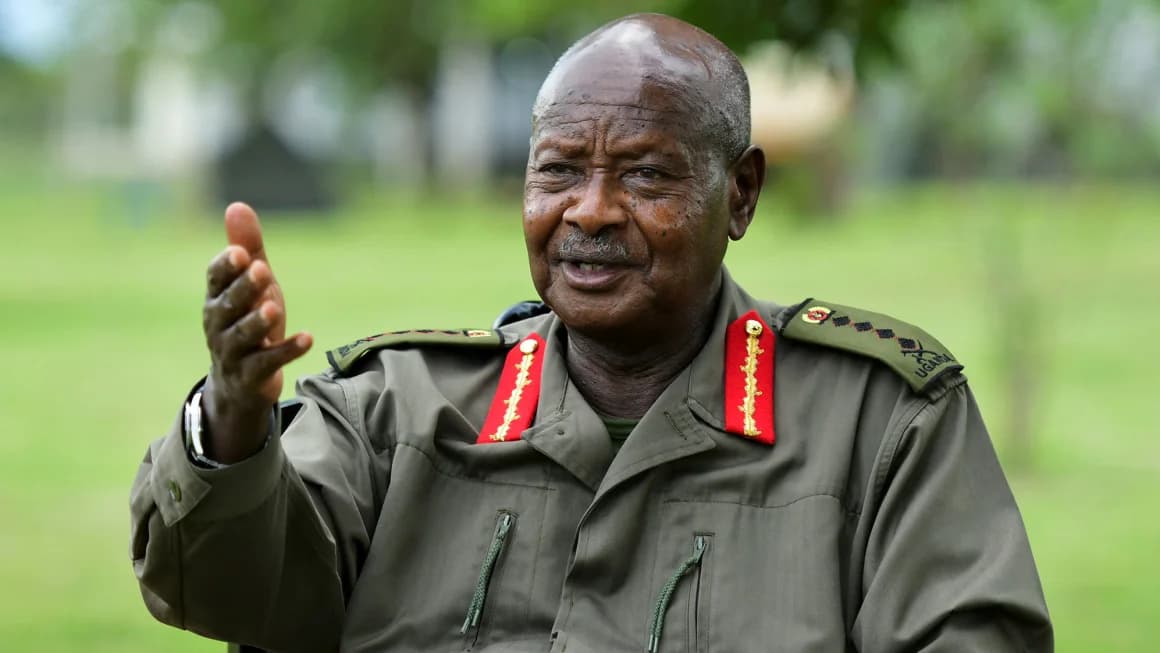
Ugandans went to the polls under a government-imposed internet blackout that had been in place for two days, as biometric machines meant to verify voters' identities malfunctioned in many areas and delayed voting for more than two hours past the scheduled opening, according to a report by Guardian Nigeria. The government said the shutdown, which it described as indefinite when first imposed, was meant to prevent the spread of misinformation and incitement to violence; the United Nations Human Rights Office called the blackout deeply worrying.
President Yoweri Museveni, 81 and in office since 1986, faced seven challengers including Robert Kyagulanyi, the musician-turned-politician known as Bobi Wine, who has built his campaign around calls for political change after decades of National Resistance Movement rule. A widely circulated national snapshot based on data from more than 91 percent of polling stations showed Museveni with roughly 70.5 percent of the vote.
Wine rejected the process as compromised, accusing the government of massive ballot-stuffing and of arresting party officials under cover of the blackout despite earlier assurances that no shutdown would be imposed during the vote. Rumors that the biometric failures were themselves connected to the internet shutdown added to opposition claims that the irregularities were not incidental.