
Silistra’s industrial plan brings costs, skills and location into focus.
Could the next European manufacturing location be a city that rarely appears in international boardroom presentations? Silistra’s mayor, Aleksandar Sabanov, is making the case that smaller municipalities can compete through focused infrastructure and a more manageable operating environment. 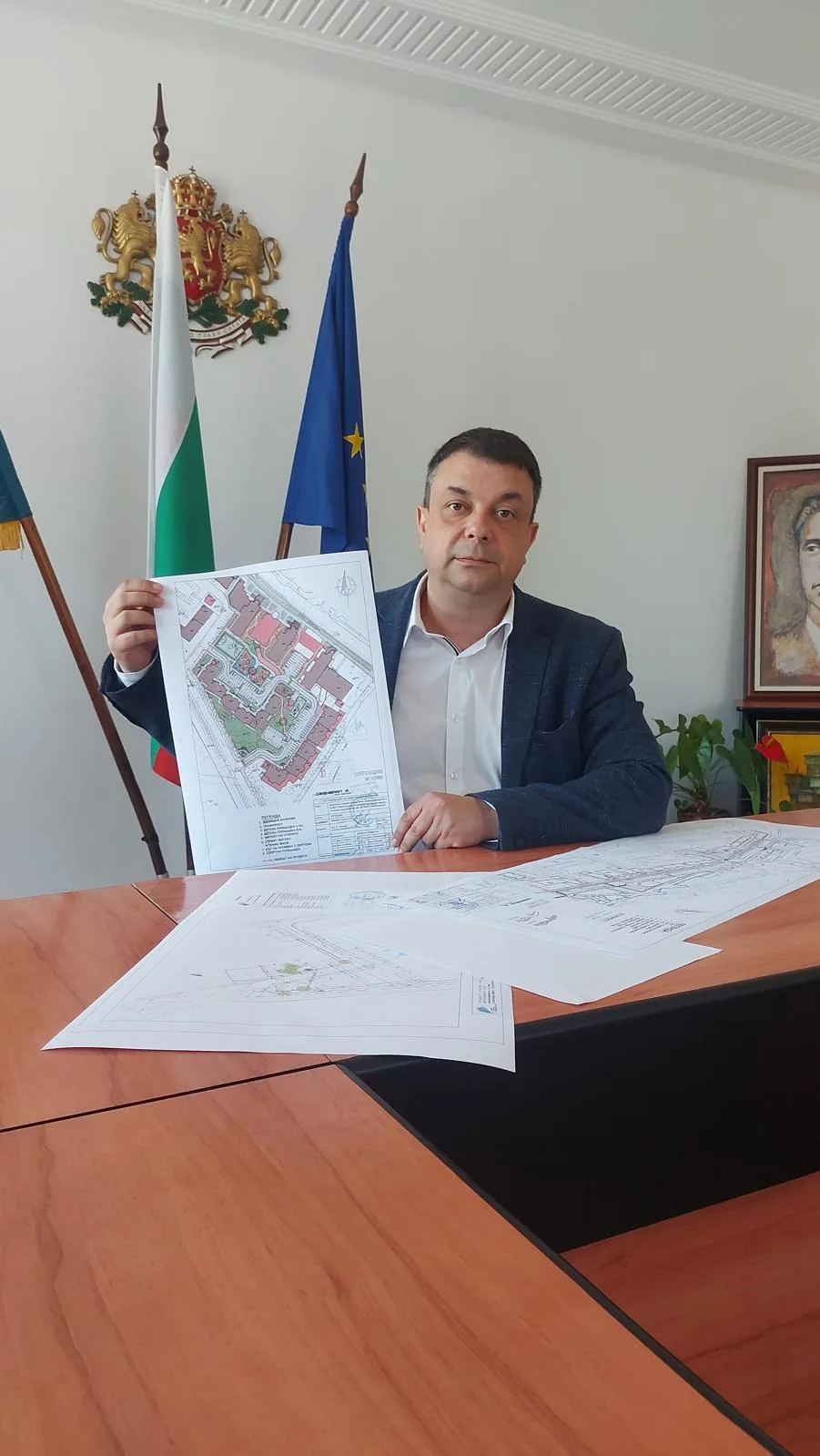 The municipality points to available labour, competitive costs and Bulgaria’s 10% corporate income tax rate. Those factors sit beside its proposed Smart Industrial Park, a 37.8-hectare development with industrial space and business and social facilities. None of these advantages alone decides an investment. Together, they may justify closer examination.
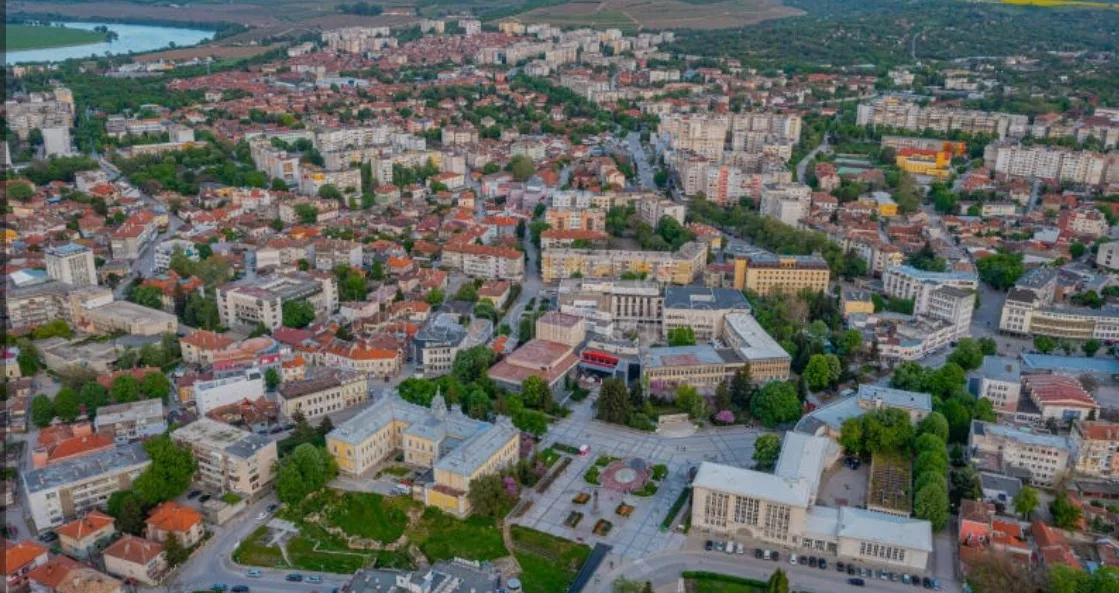 Companies comparing locations will still need reliable data on wages by occupation, labour availability, incentives, property rights and access to customers. The city’s opportunity lies in making that information clear and turning an attractive headline into a credible investment case.
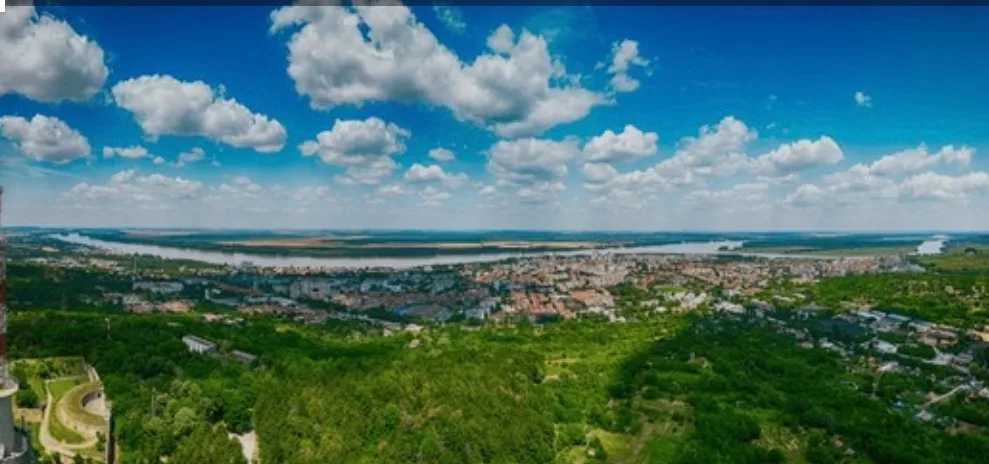 For international readers, this is more than a local story about Bulgaria. It explores how infrastructure, private enterprise and regional identity intersect—and whether public investment can bring lesser-known locations to the attention of businesses and visitors. It is important to distinguish between a development plan and a proven commercial outcome. Announced infrastructure, expressions of interest and long-term ambitions represent different stages of a project.
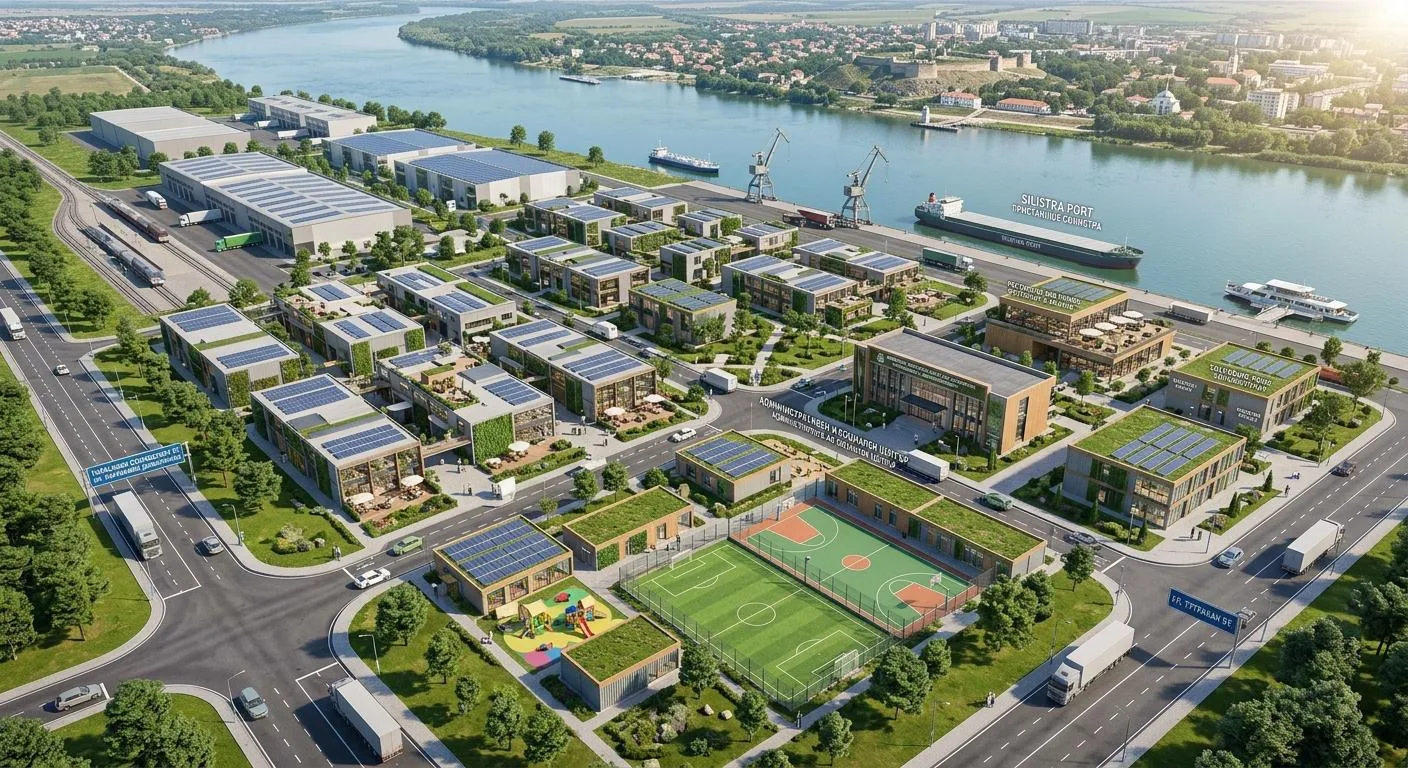 Those assessing the opportunity should look for publicly reported milestones, transparent procurement, the necessary operating permits and evidence that planned facilities are being delivered. The project’s next stages will shape how it is ultimately judged. Clear milestones and independently verifiable results will matter far more than the scale of a launch event. For now, the initiative merits attention precisely because its long-term impact is still to be demonstrated.